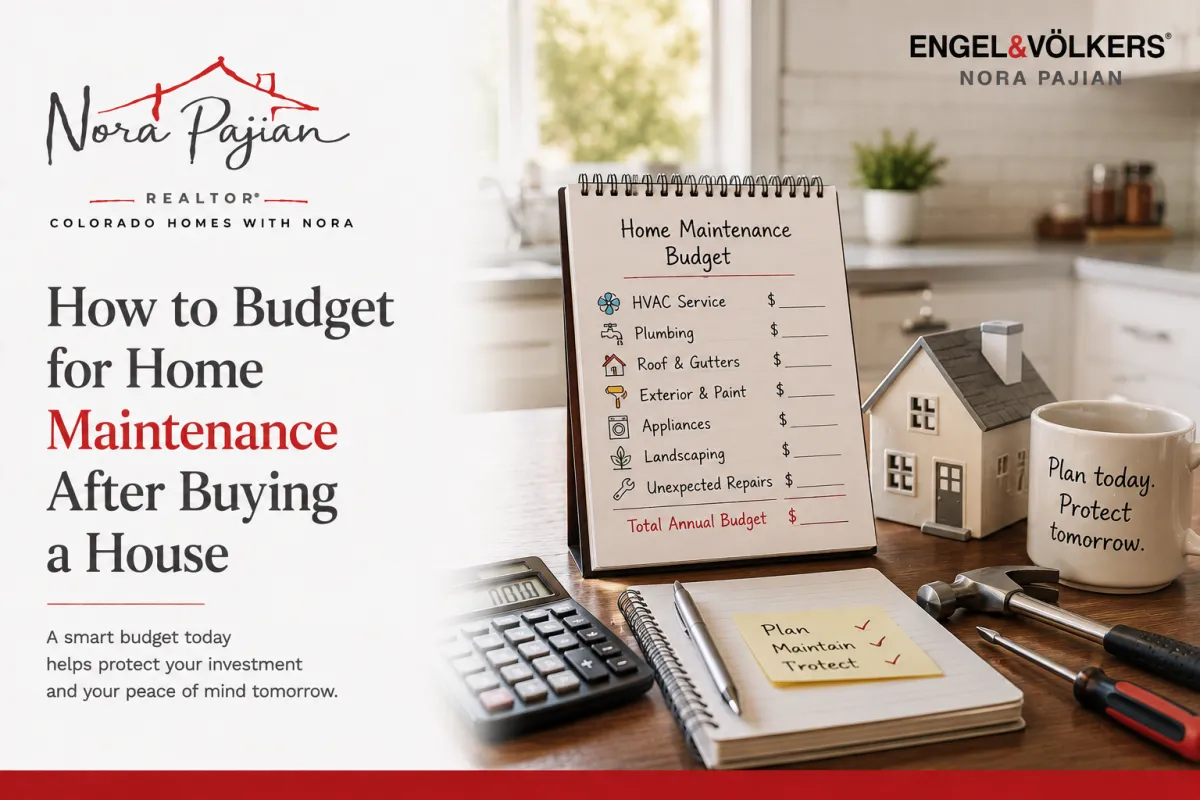
How to Budget for Home Maintenance After Buying a House
Home maintenance is an ongoing part of owning a house. Beyond your mortgage, taxes, and insurance, you'll need to plan for routine upkeep and unexpected repairs. Setting aside money regularly can help you handle these expenses without disrupting your household budget.
Why Home Maintenance Should Be Part of Your Budget
Buying a home is a major investment, but the costs don't stop at closing. Over time, every property will require maintenance, whether it's servicing an HVAC system, repairing a plumbing issue, maintaining landscaping, or replacing an aging appliance.
Planning for these expenses from the beginning can help you avoid being caught off guard when something needs attention.
How Much Should You Set Aside for Maintenance?
A commonly used guideline is to budget around 1% to 2% of your home's value per year for maintenance and repairs. This isn't a fixed rule, however. Your actual costs can vary depending on the home's age, size, condition, materials, and major systems.
For example, a newer home may have fewer major repair needs in the early years, while an older property may require more frequent attention.
The important thing is to create a maintenance budget that reflects the specific home you're purchasing.
Plan for Major Repairs and Replacements
Routine maintenance is only part of the equation. Eventually, major components such as the roof, HVAC system, water heater, windows, or appliances may need to be repaired or replaced.
Before purchasing a home, pay attention to the age and condition of these systems. A home inspection can provide valuable information that helps you anticipate future expenses.
Knowing that a roof may need replacement in several years, for example, gives you time to start saving rather than treating the expense as an emergency.
Consider Colorado Springs' Seasonal Maintenance
Colorado Springs homeowners should also account for maintenance related to changing weather conditions. Depending on the property, seasonal upkeep may include HVAC servicing, gutter cleaning, roof inspections, landscaping, irrigation maintenance, and preparing exterior areas for colder weather.
Regular seasonal maintenance can help identify small problems before they become more expensive repairs.
Create a Separate Home Maintenance Fund
One practical approach is to create a dedicated savings fund for home repairs and maintenance. You can contribute a set amount each month and allow the balance to build over time.
This fund can be used for both planned expenses and unexpected repairs. Keeping it separate from your everyday spending can make it easier to protect your homeownership budget.
Don't Forget Maintenance When Comparing Homes
Two homes with similar purchase prices can have very different future maintenance costs.
When comparing properties, consider the home's age, construction, roof, HVAC system, appliances, windows, landscaping, and overall condition. A slightly different purchase price may make sense if one property has newer major systems and requires less immediate work.
Looking at the total cost of ownership, rather than just the purchase price, can help you make a more informed decision.
Common Home Maintenance Budgeting Mistakes
One common mistake is using all available savings for the down payment and closing costs without leaving a financial cushion for the months after closing.
Another is assuming that a newer home doesn't require maintenance. Even newer properties need routine care, and unexpected repairs can happen at any time.
It's also important not to postpone small maintenance tasks indefinitely. Addressing problems early can sometimes prevent them from becoming larger and more expensive.
Frequently Asked Questions
How much should I budget for home maintenance?
A common guideline is 1% to 2% of the home's value per year, but your actual expenses will depend on the property's age, condition, size, and systems.
What are some of the biggest home maintenance expenses?
Major expenses can include roof replacement, HVAC repairs or replacement, plumbing work, exterior maintenance, and appliance replacement.
Do new construction homes require a maintenance budget?
Yes. New homes may have newer systems and warranties, but they still require routine maintenance and can eventually need repairs or replacements.
Does Colorado Springs weather affect home maintenance?
Yes. Seasonal weather can affect roofing, gutters, HVAC systems, landscaping, irrigation, and other exterior components, making regular maintenance important.
Should I have an emergency fund for home repairs?
Having a dedicated emergency fund can help cover unexpected repairs without requiring you to rely on credit cards or other sources of financing.
Key Takeaways
Home maintenance should be included in your overall homeownership budget.
A 1%–2% annual guideline can be a useful starting point.
Consider the age and condition of major systems before buying.
Colorado Springs' seasonal weather can affect maintenance needs.
A dedicated maintenance fund can help cover unexpected repairs.
Compare the long-term cost of ownership when evaluating homes.
Planning to Buy a Home in Colorado Springs?
Understanding future maintenance costs can help you create a realistic budget before you buy.
Nora Pajian, a Colorado Springs real estate agent with Engel & Völkers, can help you evaluate properties beyond the purchase price and consider factors that may affect your long-term homeownership costs.
Contact Nora today to discuss your Colorado Springs home-buying goals.