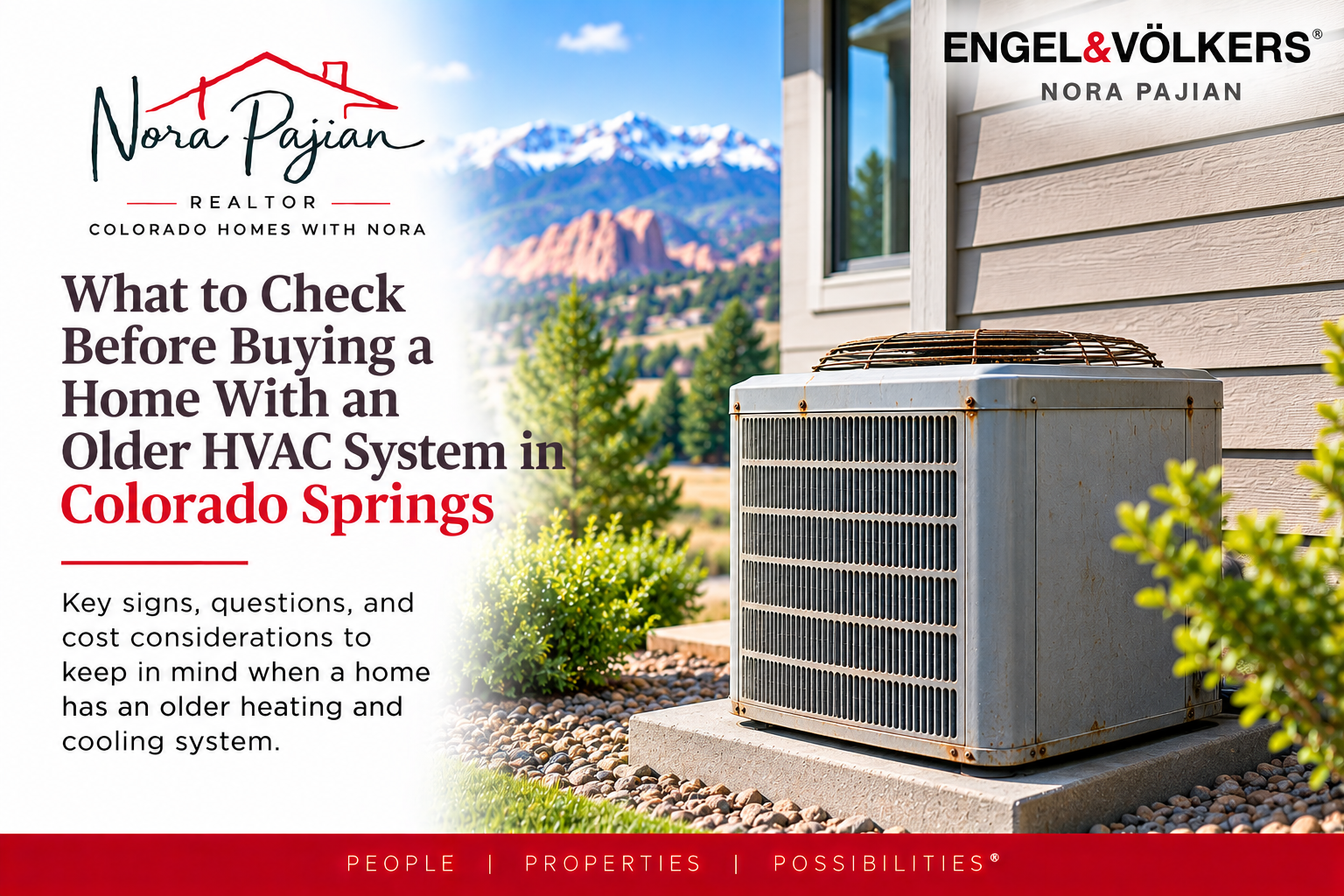
What to Check Before Buying a Home With an Older HVAC System in Colorado Springs
A home's heating and cooling system plays an important role in comfort, energy efficiency, and ongoing maintenance costs. When buying a home in Colorado Springs, it's especially important to evaluate an older HVAC system because of the area's changing temperatures and cold winters.
An older system doesn't automatically mean a home is a bad purchase, but understanding its condition, maintenance history, and potential replacement costs can help you make a more informed decision.
1. Find Out the Age of the HVAC System
Start by asking how old the heating and cooling equipment is.
Most HVAC systems have different expected lifespans depending on the equipment type, usage, maintenance, and installation quality. A system nearing the end of its expected service life may require more frequent repairs or replacement.
Ask the seller for installation records, service documents, and any information about previous upgrades.
2. Check the System's Maintenance History
Regular maintenance can help an HVAC system operate more efficiently and identify problems before they become major repairs.
Ask whether the system has been professionally serviced and whether records are available. Look for documentation of filter changes, inspections, repairs, and other maintenance.
A well-maintained older system may be in better condition than a newer system that has been neglected.
3. Test the Heating and Cooling Functions
During the home inspection, make sure the HVAC system operates as expected.
Pay attention to unusual noises, inconsistent temperatures, weak airflow, or unexpected odors. Check whether the thermostat responds properly and whether the system starts and shuts down normally.
If concerns arise, consider having the equipment evaluated by a qualified HVAC professional.
4. Evaluate Energy Efficiency and Utility Costs
Older HVAC systems may use more energy than newer equipment, depending on their design, condition, and efficiency.
Ask the seller for available utility bills to better understand the home's typical heating and cooling expenses. Keep in mind that usage varies based on weather, thermostat settings, household habits, and utility rates.
You may also want to ask about the system's efficiency ratings and whether upgrades could improve performance.
5. Inspect Ductwork, Filters, and Ventilation
The HVAC system includes more than just the furnace or air conditioner.
Check accessible ductwork for visible damage, disconnected sections, or signs of poor insulation. Ask about filter size and replacement frequency, and make sure vents are not blocked.
Proper airflow and ventilation can affect both comfort and system performance.
6. Prepare for Potential Repair or Replacement Costs
If the system is older, consider the possibility of future repairs or replacement when evaluating the home.
Ask an HVAC professional about the equipment's condition and whether any components may need attention soon. If replacement is likely, request an estimate so you can better understand the potential expense.
This information may also help you evaluate your overall homeownership budget before closing.
Common Mistakes Buyers Should Avoid
When buying a home with an older HVAC system, avoid:
Assuming an older system needs immediate replacement.
Ignoring maintenance records.
Skipping a professional HVAC evaluation when concerns arise.
Overlooking unusual noises or inconsistent airflow.
Failing to review available utility bills.
Not budgeting for potential future repairs.
Evaluating the system carefully can help you understand its condition and avoid unexpected expenses after moving in.
Frequently Asked Questions
1. Should I avoid buying a home with an older HVAC system?
Not necessarily. The system's condition, maintenance history, performance, and potential replacement costs are more important than age alone.
2. How do I know if an HVAC system needs to be replaced?
Signs may include frequent repairs, poor performance, inconsistent temperatures, unusual noises, or a professional recommendation for replacement.
3. Should I have the HVAC system inspected separately?
If the system is older or the home inspection identifies concerns, a specialized HVAC evaluation can provide more detailed information about its condition.
4. Can an older HVAC system affect my utility bills?
Yes. Efficiency, equipment condition, insulation, ductwork, weather, and usage can all influence energy costs.
Key Takeaways
An older HVAC system isn't necessarily a reason to walk away from a home, but buyers should understand what they're purchasing.
Check the system's age, maintenance history, performance, energy usage, and potential repair costs. If necessary, arrange a professional evaluation before closing so you can make a decision with a clearer understanding of the property's condition.
Looking for a Home in Colorado Springs?
Understanding a home's major systems is an important part of evaluating a property. Nora Pajian of Engel & Völkers Pikes Peak Realty can help you navigate the home-buying process and identify important questions to ask when comparing properties.
Connect with Nora to discuss your Colorado Springs home search.